Amazon’s UPC Barcode Policy Is Changing: What Every FBA Seller Needs to Know in 2026
Introduction
Amazon is making a significant change that could impact thousands of FBA sellers who rely on manufacturer UPC barcodes to identify and track their inventory.
For years, many sellers have used manufacturer barcodes to simplify inventory management and reduce preparation costs. However, Amazon is tightening its requirements, and sellers who are not enrolled in Brand Registry may soon lose the ability to use manufacturer UPCs altogether.
If you’re an Amazon seller, understanding this change now can help you avoid unnecessary costs, operational delays, and listing vulnerabilities in the future.
What Is Changing?
Amazon is introducing stricter barcode requirements for sellers using Fulfillment by Amazon (FBA).
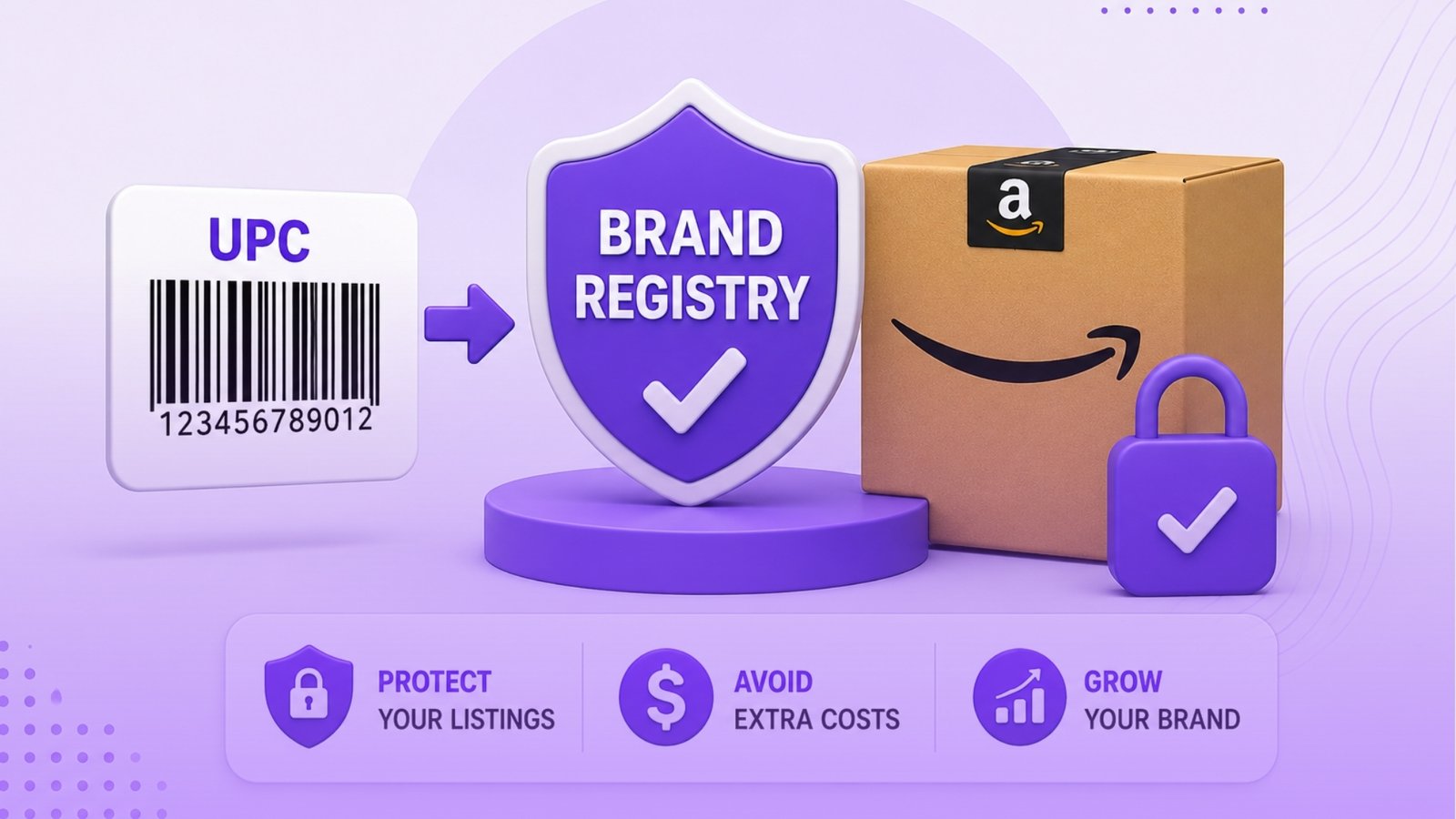
Under the updated policy, sellers who want to continue using manufacturer UPC barcodes will need to have an active Brand Registry account. Sellers who do not meet this requirement may be required to label every individual unit with an Amazon-generated FNSKU barcode.
While this may seem like a small adjustment, the impact on costs and operations can be substantial.
Why This Matters for FBA Sellers
Many sellers underestimate how much time and money barcode labeling affects their business.
When Amazon requires FNSKU labels, every unit must be individually identified before it can enter fulfillment centers. This often leads to:
Increased Prep Costs
Whether you label products yourself or use a prep center, applying FNSKU stickers adds additional labor costs to every shipment.
Slower Inventory Processing
Extra preparation steps can delay inventory movement and create bottlenecks during peak selling seasons.
Reduced Operational Efficiency
Managing thousands of labels across multiple SKUs becomes increasingly difficult as your catalog grows.
For high-volume sellers, these additional requirements can significantly impact profit margins.
The Good News: Brand Registry Has Become Easier to Obtain
One of the biggest concerns sellers have about Brand Registry is the trademark requirement.
Fortunately, Amazon has expanded acceptance of pending trademarks in many cases, making it easier than ever for brands to begin the enrollment process.
Instead of waiting months for a trademark to become fully registered, many sellers can start the Brand Registry journey much earlier than before.
This creates an opportunity to protect your brand while maintaining barcode flexibility.
Additional Benefits of Brand Registry
While maintaining UPC barcode eligibility is important, Brand Registry offers far more than that.
Stronger Listing Protection
One of the most valuable benefits is increased control over your product listings.
Without Brand Registry, competitors or unauthorized sellers may attempt to modify your titles, images, bullet points, or product details.
Brand Registry helps establish ownership and gives Amazon greater confidence when resolving listing disputes.
Protection Against Hijackers
Unauthorized sellers can damage your reputation, win the Buy Box, and create customer confusion.
Brand Registry provides additional tools for monitoring and reporting potential violations, helping you protect your brand identity.
Better Control Over Product Content
Brand owners gain access to enhanced content features and greater authority over product information displayed on Amazon.
This helps maintain consistency across listings and improve customer trust.
Long-Term Brand Growth
Brand Registry isn’t just about compliance. It is an investment in building a sustainable and defensible Amazon business.
The earlier sellers establish ownership and control, the easier it becomes to scale successfully.
What Should Sellers Do Right Now?
If you’re currently using manufacturer UPC barcodes, now is the time to evaluate your Brand Registry status.
Consider the following steps:
- Review your current barcode strategy.
- Determine whether your brand has a registered or pending trademark.
- Begin the Brand Registry enrollment process if you have not already done so.
- Audit your listings to ensure they are properly protected.
- Prepare for future Amazon compliance requirements before they become mandatory.
Taking action today can help prevent disruptions tomorrow.
Final Thoughts
Amazon’s latest barcode policy changes are another reminder that the marketplace continues to evolve.
Sellers who delay adapting may face higher preparation costs, additional operational complexity, and reduced control over their listings.
On the other hand, sellers who secure Brand Registry early can continue benefiting from manufacturer UPCs while gaining valuable brand protection tools that support long-term growth.
The businesses that prepare before policy changes take effect are usually the ones that stay ahead of the competition.
Get Our Free 2026 Brand Registry Playbook
Want a step-by-step guide to preparing for Amazon’s latest UPC and Brand Registry requirements?
Comment “UPC” below, and we’ll send you our FREE 2026 Brand Registry Playbook packed with actionable insights, compliance tips, and strategies to protect your Amazon business.