Mastering the PPC Funnel: TOF, MOF & BOF Strategies That Drive Real Growth
Digital advertising is no longer about pushing ads and hoping for conversions. Today, success depends on guiding your audience through a strategic PPC funnel, a step-by-step journey from awareness to purchase.
If you want to achieve higher ROI, lower acquisition costs, and long-term scalability, understanding this funnel is non-negotiable.
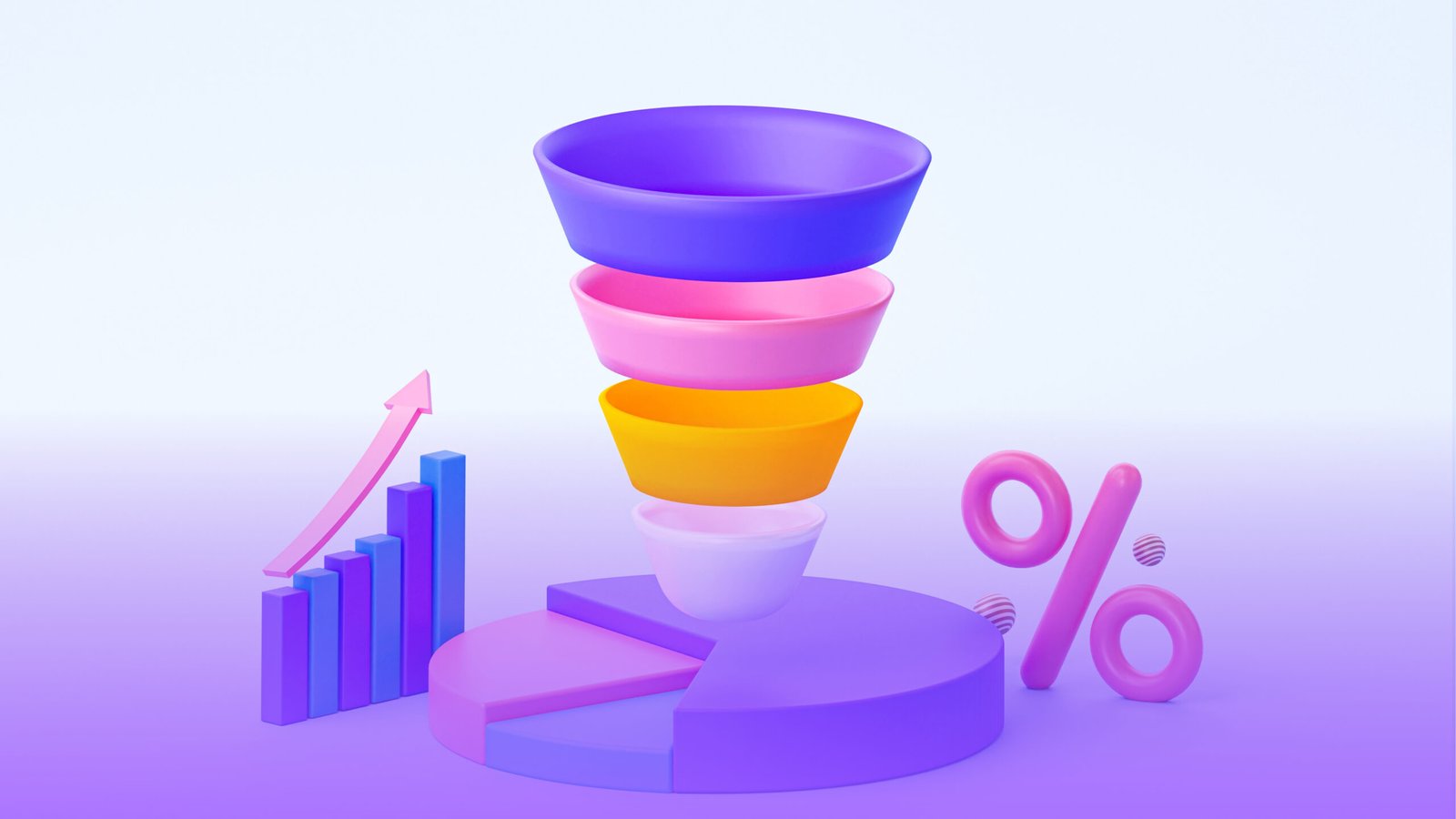
In this blog, we break down the 3 stages of the PPC funnel and show how each one fuels the next:
TOF (Awareness) → MOF (Consideration) → BOF (Conversion).
1. Top of Funnel (TOF): Awareness Stage
The TOF is the widest part of your funnel, the stage where potential customers see your brand for the first time.
Your goal here isn’t to convert immediately. Your goal is to reach, educate, and attract people who might be interested in your products.
What Happens at TOF?
At this stage, customers may not know your brand or your category.
You’re simply casting a wide, but relevant, net.
Key TOF Strategies:
-
Audience Targeting: Reach people who match your ideal customer profile.
-
Broad Match Targeting: Capture searches from broad queries and discover new keywords.
-
Branded Keyword Targeting: Protect your brand and ensure visibility for branded searches.
-
Category Targeting: Position your products in relevant categories to maximize exposure.
Why TOF Matters:
Because without awareness, no one enters your funnel, and no one converts later.
2. Middle of Funnel (MOF): Consideration Stage
Once people discover your brand, the next challenge is turning awareness into interest.
This is where MOF comes in, the engagement and nurturing stage.
Customers in this stage are actively exploring options. They may have visited your listing, watched a video, or interacted with your brand.
Your job is to keep them engaged and build trust so they consider choosing you over competitors.
Key MOF Strategies:
-
In-Market Audience Targeting: Reach users who are actively searching for products like yours.
-
Branded Keyword Targeting (Competitors): Capture shoppers searching for other brands in your niche.
-
Contextual Targeting: Show ads related to the context your customer is browsing.
-
Sponsored Brand Video (SBV): Use eye-catching videos to educate and build trust.
-
Store Spotlight Ads: Showcase multiple products or categories to deepen brand interaction.
Why MOF Matters:
This stage shapes customer perception, builds credibility, and moves shoppers closer to making a decision.
3. Bottom of Funnel (BOF): Conversion Stage
Now your audience is warmed up, informed, and ready.
The BOF is where you focus on converting that interest into actual purchases.
Customers here already know what they want, they just need the final push.
Your strategies should remove friction and capture buying intent.
Key BOF Strategies:
-
Branded Keyword Targeting: Protect your customer from being captured by competitors.
-
High-Intent Keyword Targeting: Target keywords that indicate strong purchase intent.
-
View Remarketing: Re-engage users who saw your product but didn’t buy.
-
Purchase Remarketing: Upsell or cross-sell to customers who purchased before.
Why BOF Matters:
This is where your revenue is generated, a well-optimized BOF ensures you convert maximum interested shoppers.
Why the PPC Funnel Is Essential for Your Business
A structured PPC funnel transforms your advertising from guessing into strategy. Here’s what it delivers:
1. Efficient Budget Allocation
Spend money where it matters, based on customer stage and intent.
2. Targeted Advertising
Reach the right people with the right message at the right time.
3. Higher ROI
A consistent flow from TOF to BOF reduces wastage and increases conversions.
4. Continuous Optimization
Each stage provides insights that help refine your whole funnel.
5. Scalability
A strong funnel makes it easier to scale ads without burning your budget.